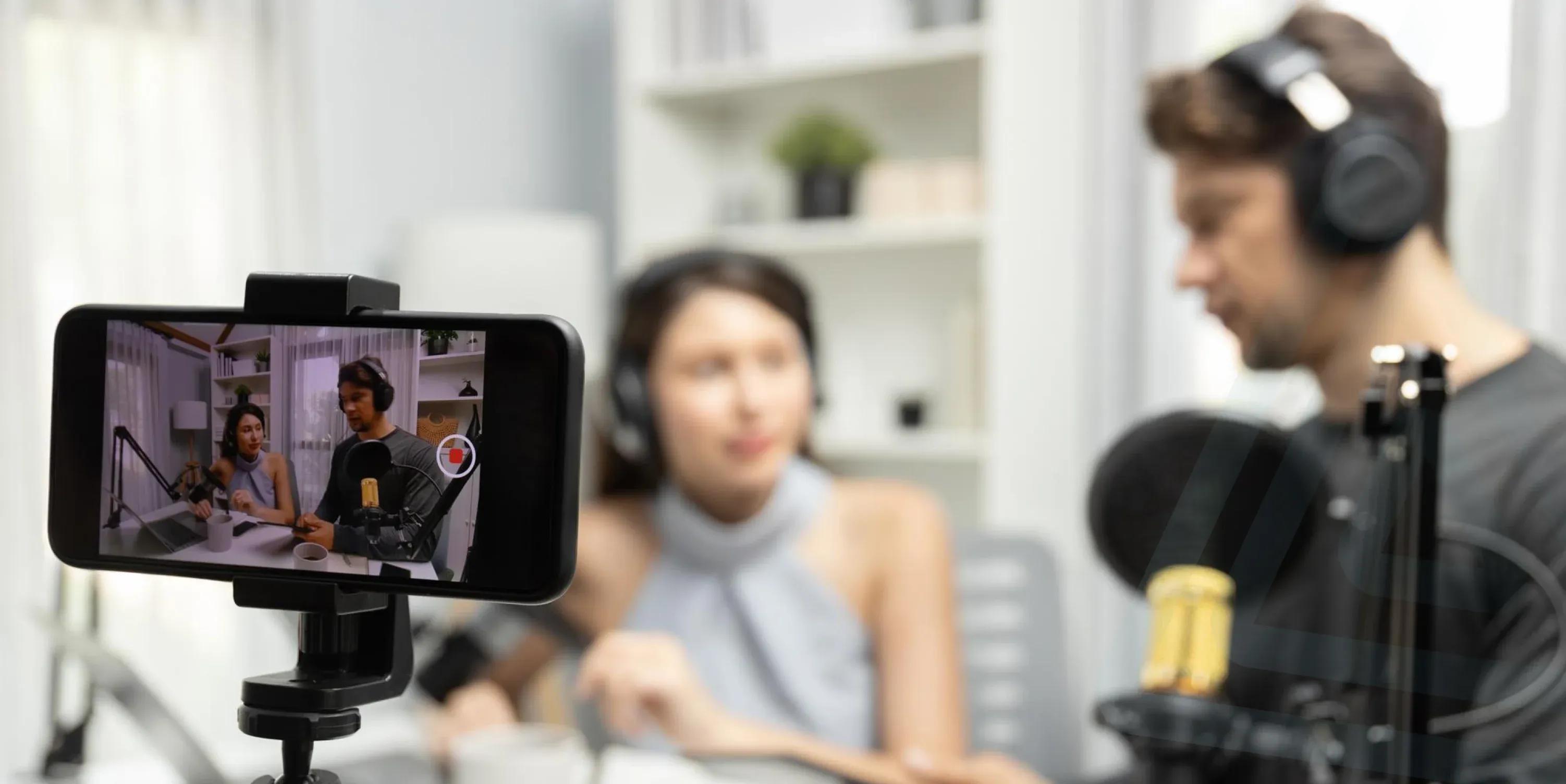
Vertical Filmmaking : Video Production is Forever Changed


Why is vertical video suddenly everywhere? What's changing in the way stories are told on mobile? And how can businesses take advantage of the growing demand for micro-drama content?
This article explores the specifications of vertical filmmaking, the main differences between vertical and traditional filmmaking, and the techniques used for vertical shooting.
It also uncovers the reasons behind the rise of micro-drama apps, common monetization methods, and indicates the steps necessary to build a short video app.
What Is Vertical Filmmaking?
"Vertical filmmaking" refers to the creative approach that allows the making of films specifically for a vertical frame.
Vertical films are now widely used for mobile-first content, short films, advertisements, and micro-drama series, especially on platforms designed for vertical viewing.
Vertical films can be both standalone and episodic, depending on the creator's intentions.
Standalone films are usually very brief, often under 5 minutes, and are designed for quick, impactful storytelling.
In case of episodic ones, the content can be part of a larger series or storyline, divided into small chunks. Here, vertical series usually have 60-90 episodes, and each one is one and a half minutes long.
For both ones the vertical format is simply a tool for delivering content. Its increasing use highlights audience preferences for brief, captivating videos that align with the rapid pace of mobile consumption.
As a result, vertical filmmaking uses portrait-oriented aspect ratios, meaning the frame is taller than it is wide.
Below are the most common formats used in vertical production:
| Format | Aspect Ratio | Resolution Examples | Typical Use in Platforms |
|---|---|---|---|
| 9:16 | Standard vertical format | 1080×1920, 2160×3840 | TikTok, Instagram Reels, YouTube Shorts, Snapchat, vertical films |
| 4:5 | Slightly vertical | 1080×1350 | Instagram feed videos and ads |
| 2:3 | Vertical cinematic/photo format | 1080×1620 | Photography-style vertical videos and creative projects |
| 1:1 | Square format | 1080×1080 | Cross-platform social media videos |
9:16 - The Standard Vertical Film Format
This is the most widely used format because it perfectly matches the shape of modern smartphone screens. Most mobile-first platforms are optimized for this format. These include TikTok, Instagram Reels, Snapchat, and YouTube Shorts.
Because of its full-screen effect, 9:16 is the preferred choice for short-form storytelling, vertical series, advertisements, and micro-dramas.
4:5 - Social Media Optimized Vertical Format
This is commonly used for Instagram feed videos. While not as tall as 9:16, it takes up more screen space than square videos when viewed in mobile feed.
This format is often used for social media marketing videos, brand storytelling, and promotional clips.
2:3 - Cinematic Vertical Composition
This ratio comes from photography. Filmmakers experimenting with vertical storytelling may use this ratio to achieve a more cinematic look while still maintaining a portrait orientation.
1:1 - Square Format for Flexible Distribution
This format is still used in social media filmmaking because it works well across both desktop and mobile platforms. It ensures that videos display consistently across different feeds without needing separate versions.
Choosing the Right Vertical Format
The choice of vertical format usually depends on where the film will be viewed. If the content is designed primarily for mobile-first platforms, 9:16 is typically the best option because it maximizes screen usage and engagement.
For filmmakers and creators producing vertical content today, understanding these formats helps ensure that the story is presented in a way that fits both the platform and the viewing habits of modern audiences.
Why Vertical Video Became So Popular?
The growing popularity of vertical videos is due to several factors.
- The rise of mobile-first usage is the most obvious one; smartphones are typically held vertically, making vertical videos the natural choice for viewing.
Here is a stat worth keeping in mind: approximately 5.65 billion people use smartphones globally, representing about 70.1% of the world's population.
Among them the smartphone users hold their phones vertically 94% of the time, including to view videos.
Therefore, it is logical for brands, creators, or businesses to create content in a vertical format and reach a vast, already existing audience.
- This format drives higher mobile engagement. Vertical video fills the screen, captures attention faster, and reduces visual competition. The focus is often a single character, moment, or gesture, which guarantees higher engagement and completion rates compared with horizontal formats on mobile.
Social media platforms enhance this feature by auto-playing vertical videos as users scroll, further increasing the likelihood of engagement.
- Vertical video wins on social platforms. Another factor that makes vertical videos effective is that social platforms like TikTok, Instagram, LinkedIn, and even YouTube now prioritize vertical video in their algorithms.
- Vertical video enables consistent content creation; vertical videos are often shorter and simpler to produce, which makes consistent publishing more achievable for small and budget-constrained teams.
Vertical Filmmaking vs Traditional Filmmaking
Vertical filmmaking doesn't replace traditional cinema. It introduces a different storytelling language.
Here are the key differences between traditional and vertical filmmaking.
| Feature | Vertical Video (Portrait) | Horizontal Video (Landscape) |
|---|---|---|
| Primary Orientation | Tall, mobile-friendly format (9:16) | Wide format (16:9), classic video style |
| Primary Screen | Smartphones and mobile apps | Cinema screens, TVs, and laptops |
| Viewing Environment | On-the-go viewers scrolling through feeds | Seated audience, focused viewing |
| Pacing | Slower pacing with gradual story development | Fast-paced with immediate hooks |
| Platform Distribution | TikTok, Instagram Reels, Snapchat, Shorts | YouTube, desktop sites, movies, and TV |
| Storytelling Style | Close-up, personal, short narrative bursts | Wide, cinematic environment with multi-subject focus |
| Completion & Engagement | Often yields higher completion rates and watch time on mobile | May have lower completion rates on social feeds due to poor mobile fit |
The framing, composition and lens usage, shooting techniques differ in vertical films. You should shift from wide-angle, landscape-based approaches to tighter, more focused shots.
Mobile viewing continues to dominate global video consumption. Understanding how these storytelling techniques work is becoming an essential skill.
- Vertical frame
The first one is the change in aspect ratio (9:16).
Unlike the horizontal frame, which emphasizes scope, geography and splendor, the vertical orientation minimizes distracting backgrounds. A vertical frame offers a more intimate perspective, drawing the viewer closer to the subject. This tighter focus amplifies the story and invites the audience in, offering a sense of cinema without the traditional distance or spectacle.
- Primary Screen & Viewing Environment
Vertical videos are specifically tailored for mobile consumption on platforms such as TikTok, Instagram Reels, and YouTube Shorts. This is in sharp contrast to horizontal video, which is optimized for larger screens like televisions and cinema displays, offering a landscape orientation that is conducive to traditional, cinematic storytelling.
Traditional filmmaking relies on a focused, captive audience, whereas the vertical film viewer is typically distracted-watching while commuting, drowsy, or secretly during work. Consequently, the format necessitates avoiding slow narrative development.
- Pacing
Every frame needs immediate visual appeal: a hook, a distinct feeling, or an invitation to keep watching. Furthermore, your story must function visually even without sound, as many viewers watch with captions or with muted audio.
- Platform Distribution
Vertical video is primarily distributed on mobile-first social platforms such as TikTok, Instagram Reels, Snapchat, and YouTube Shorts. Conversely, horizontal video is more commonly distributed through platforms like YouTube, desktop websites, and traditional media channels such as movies and television, where the landscape format better suits larger screens and longer viewing sessions.
- Storytelling Style
Unlike in traditional films, where you have room for slow burns, layered subplots, and gradual payoffs, in vertical films, you have 15 seconds, maybe 2 minutes tops, to establish mood, character, and stakes. It forces you to strip away everything unnecessary and focus on the pure essence of your story. Here, storytelling is often less formal and more conversational, aiming for a relatable connection with the audience.
- Completion & Engagement
Vertical video is highly effective on mobile devices, often resulting in higher completion rates and watch time. This success stems from its ability to perfectly fill the smartphone screen, offering an immersive experience that aligns with the device's natural portrait orientation. Conversely, horizontal video often sees lower completion rates on mobile-first social platforms.
Key Techniques for Shooting Vertical Films
Here are the main techniques used in vertical films.
- Actually, shoot vertically. This ensures the highest possible resolution, prevents unwanted, low-quality cropping in post-production and allows for accurate framing.
- Look for vertical compositions. Retrain your eye to find scenes that are appropriate for vertical shooting. As vertical space is narrow, place the main subject in the center of the frame, place one subject above/below the other.
- Shoot wide, use wide lenses. While the vertical frame is inherently more confined, you can still add depth and context by shooting wide and by using foreground, middle ground, and background. Position elements at varying distances to prevent a flat, two-dimensional look.
- Faster Pacing. Vertical videos are usually consumed quickly (often on mobile while users scroll). Therefore, opt for faster cuts, more dynamic action, or snappier edits to keep the viewer engaged, avoiding long moments of static framing. AI-powered tools can also help creators create visual effects with AI, such as relighting footage, replacing visual elements, or enhancing scenes to make vertical films more engaging.
- Watch for distortion. When shooting vertically, be aware that vertical lines (like the sides of buildings or human bodies) might appear to curve inward, a distortion often exaggerated in close-up shots or with wide-angle lenses. To minimize this effect, carefully consider your distance from the subject and the focal length of your lens.
The Rise of Micro-Drama Platforms
One type of vertical video series is micro-dramas. These are more concise, shorter, and emotionally focused forms of storytelling. Micro-dramas are typically short, compact episodes aimed at delivering immediate impact.
The micro-drama model, originally developed in China, has experienced "explosive growth." Revenues dramatically increased from $500 million in 2021 to $11 billion in 2025. China remains the dominant market, contributing 83% of this revenue.
The United States is the second-largest market, generating $819 million in revenue in 2024.
The U.S. market's significance tends to grow, with an expectation that it will account for 50% of all micro-drama revenues outside of China by 2026. Following the U.S., adoption continues to grow in markets such as Japan, South Korea, the UK, and Thailand.
The platforms driving this growth, like US-focused ReelShort, DramaBox, iQIYI Mini-Drama Theater or Goodshort, with millions of global downloads are capitalizing on the demand for short-form, serialized content.
Additionally, Social Media Discovery (TikTok, Douyin, Kuaishou) platforms in their turn serve as free sampling platforms that drive viewers to paid apps. These platforms typically offer content in vertical format and fully optimized for mobile viewing. Episodes usually range from 30 seconds to 3 minutes, allowing users to consume stories in brief sessions.
How Creators Can Monetize Vertical Content?
There are multiple ways for you to monetize your vertical content. By choosing the appropriate monetization strategy you can diversify your revenue stream, while maintaining control over pricing and access.
Here the most common monetization models are represented.
1. Ad-Supported Revenue (AVOD)
AVOD is a monetization model where content is provided to the audience for free but is monetized through advertisements. This generates ad revenue, which offsets production and hosting costs. Viewers can watch video content without needing a subscription or payment.
To support AVOD, platforms should have several technical features. They include insertion and management, content personalization, seamless playback, flexible ad formats and ad integration networks.
2. Subscription-Based Access (SVOD)
SVOD model allows content creators to stream content anytime, anywhere, based on a monthly or yearly subscription. Subscribers enjoy ad-free access to the content.
To support this model, your micro-drama app needs to handle secure user authentication, control access rights, monitor the full subscription lifecycle (including free trials, renewals, and cancellations), enable seamless usage across multiple devices, and deliver detailed insights into revenue performance and churn behavior.
3. Hybrid Monetization (like AVOD + SVOD)
Hybrid models combine multiple revenue models within a single platform. It allows users to choose how they want to consume content. For instance, they may watch for free with ads, subscribe for an ad-free experience, or purchase specific premium content on a per-view basis.
In addition to the previous technical requirements, this model requires subscription billing systems, ad stack integration, tier management, and more advanced analytics.
4. Pay-Per-View (PPV)
Pay-Per-View model allows users to pay a one-time fee to access a specific content, without needing a subscription, which works particularly well in the context of mobile-first experiences.
Your platform should support secure transactions, episode-level access control, wallet or credit systems, and full purchase history tracking.
5. Freemium Model
You can use the freemium model by offering some of your vertical content for free while locking certain episodes or features behind a paywall. This allows viewers to try out the content before deciding to purchase additional episodes or premium access.
The freemium model requires technical components that manage user authentication, subscription lifecycles, content access control and payment processing.
6. Rewarded Model
Rewarded monetization refers to incentivizing users to engage with an app or take a specific action in exchange for a reward. This reward could come in the form of virtual items, currency, or access to exclusive content.
Technical requirements are the same as needed for the previous ones.
7. Brand Integrations and Sponsored Content
Brand integration model allows to embed a brand or its products directly into content, making it an organic part of the experience rather than a separate advertisement.
In case of a sponsored one, the content is brand-funded or co-produced, clearly marked by branding or announcements.
Both require extra support for content labeling, performance analytics, and flexible content grouping, while commercial agreements remain fully controlled by content owners.
A production company that built its own platform. That’s SHOVi’s exact story. Read case study here.
Build Your Own Micro-Drama App with inoRain
Let's remember three concluding points:
- Vertical filmmaking is a necessity, not an option: The dominance of mobile consumption means visual storytelling must adapt to the vertical format to reach and engage today's primary audience effectively.
- Impact is instant and compact: Vertical content needs to deliver emotion and story quickly because mobile viewers have short attention spans and limited screen space.
- The market for micro-dramas is growing: Capitalizing on the proven commercial potential of short vertical series requires a dedicated, optimized app.
You can build your own micro-drama app with inoRain.
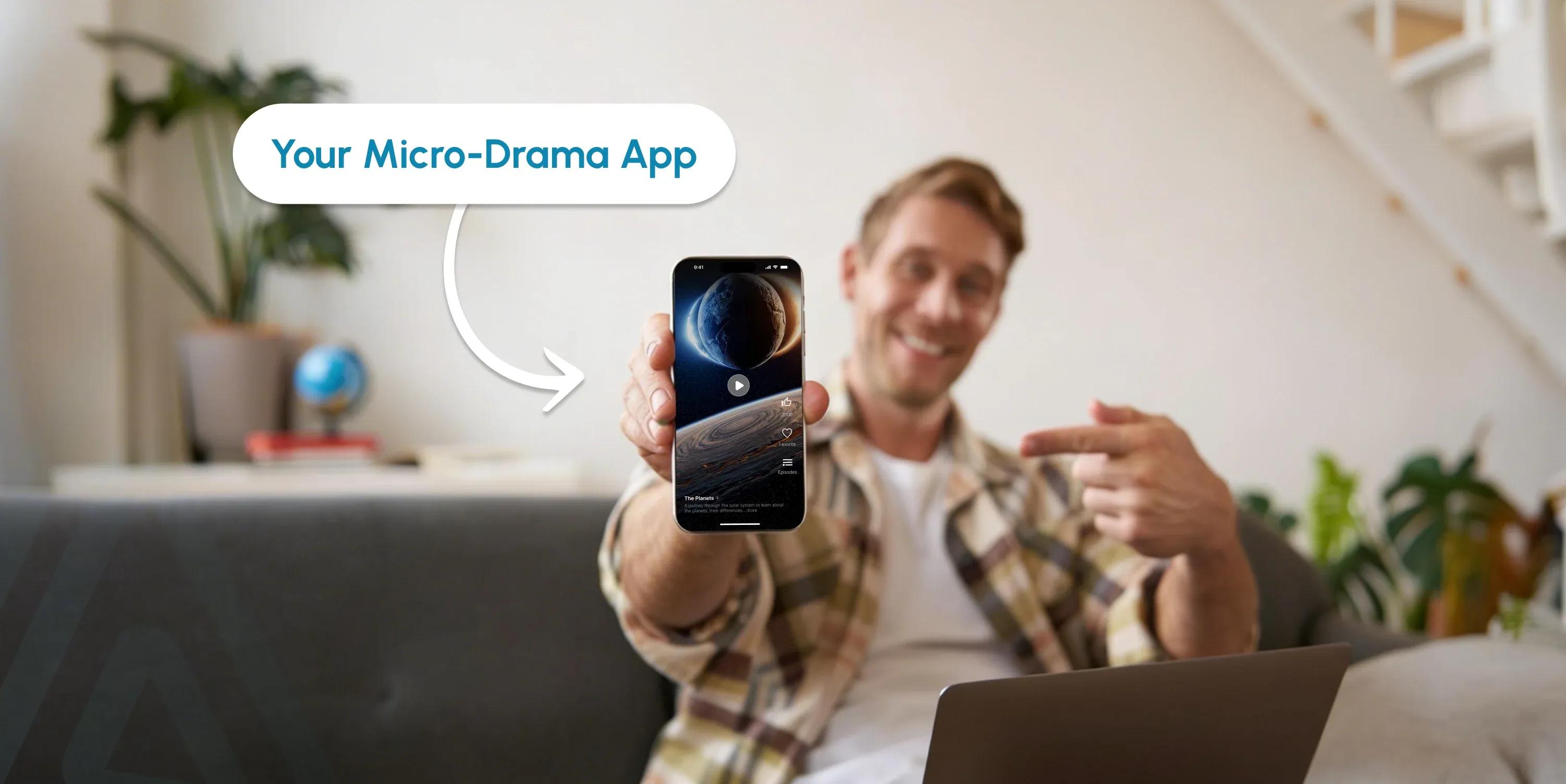 With inoRain's ready-to-launch platform, you can focus on creating stories while we handle the technical infrastructure. We provide comprehensive support for video processing, CMS, content feeds, progress tracking, monetization, and multi-platform delivery.
Let inoRain build the streaming infrastructure you need to monetize and grow.
Frequently Asked Questions

Digital Marketing Specialist
Creates digital campaigns that drive growth. Handles social media, SEO, and content marketing. and turns data into clear insights and results. Sona also helps create valuable evergreen content to deliver high-quality information to inoRain's audience.
Subscribe to Our OTT Blog
Want to learn more about OTT technology and monetization? Leave your best email here, and we'll keep you updated with our weekly articles.
Loading...